
What Is “Plaque”?
Plaque is a common English noun with several meanings. Its exact meaning depends on the context.
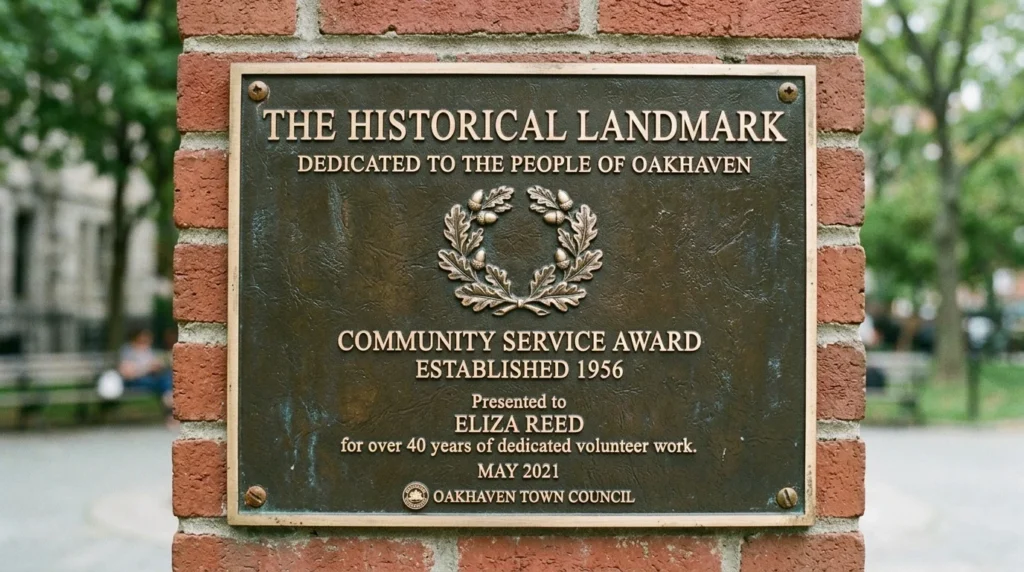
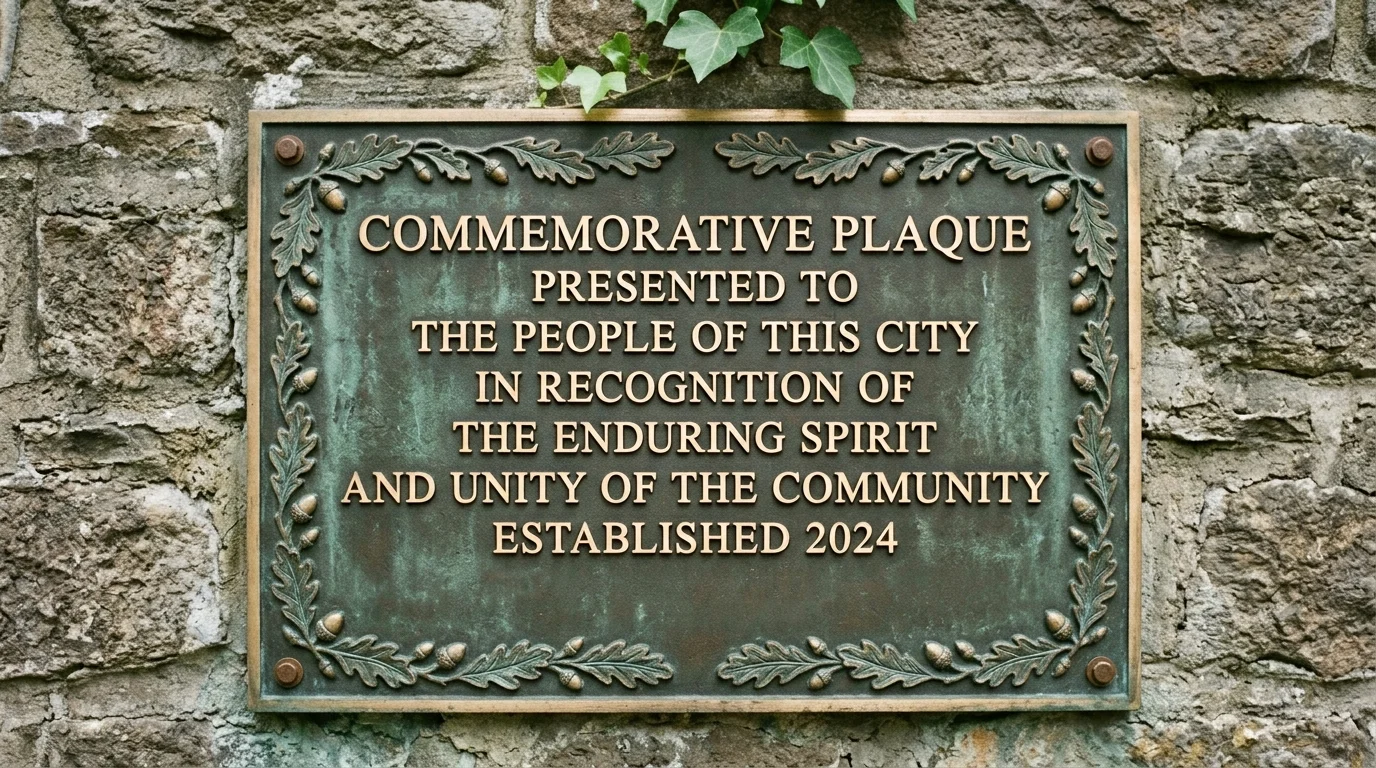
Plaque as a commemorative plate
A plaque can be a flat plate made from metal, wood, stone, ceramic, or another material. It usually contains an inscription, name, date, image, or message.
People commonly use plaques to:
- Honor someone
- Remember an important event
- Mark a historical location
- Recognize an achievement
- Identify an important building or place
Examples:
- The city placed a plaque on the historic building.
- She received a plaque for her outstanding achievement.
- A bronze plaque marks the birthplace of the famous writer.
Plaque in dentistry
Another very common use of plaque is in dental health.
Dental plaque is a sticky film containing bacteria and other substances that can accumulate on teeth. Regular brushing and flossing help remove it.
Examples:
- Brushing your teeth helps remove plaque.
- The dentist explained how dental plaque can build up.
- Flossing helps remove plaque from between the teeth.
If you are talking about dental buildup, plaque is always the correct spelling—not plack.
Plaque in medicine and science
The word plaque also appears in medical and scientific contexts. It can describe a deposit, patch, or localized area associated with a particular biological or medical process.
For example, scientific and medical texts may refer to certain types of plaques when discussing diseases or biological changes.
Grammar and pronunciation
Plaque is a noun.
- Singular: plaque
- Plural: plaques
It is generally pronounced like “plak.”
The unusual -que spelling comes from the word’s history and can make it difficult for some people to spell after hearing it.
History of “plaque”
The English word plaque came through French and is related to words referring to a flat plate or tablet. Over time, English developed additional meanings for the word.
Today, plaque is firmly established in both American and British English.
What Is “Plack”?
Plack is also a real word, but it is much less common than plaque.
Unlike plaque, plack is mainly associated with historical Scottish usage. Historically, it referred to a small Scottish coin or a small amount of money.
This means that plack is not simply a misspelling of plaque.
Plack as a historical Scottish coin
A plack was an old Scottish monetary term. You may encounter it in historical books, dictionaries, literature, or texts about Scottish currency.
Examples:
- The old document mentioned a plack as a form of payment.
- The museum displayed information about the Scottish plack.
- The historical text referred to several placks.
These examples are very different from the everyday uses of plaque.
Regional usage
The word plack has connections with Scots and Scottish history. Because it is uncommon in modern everyday English, most people are much more likely to encounter it in historical or specialized writing.
It should not be used as a British spelling of plaque.
Grammar and pronunciation
Plack is a noun.
Its plural form can be placks.
It is pronounced similarly to plaque, which is one reason people sometimes confuse the two words.
However, similar pronunciation does not mean that the words have the same meaning.
Plaque or Plack: Key Differences
The main difference between plaque or plack is their meaning and frequency of use.
- Plaque is common in modern English.
- Plack is rare and mainly historical or regional.
- Plaque can mean a commemorative plate.
- Plaque is the correct word for dental buildup.
- Plaque is also used in medical and scientific terminology.
- Plack historically referred to a Scottish coin or monetary amount.
- Plaque is used in both American and British English.
- Plack is not an alternative British spelling of plaque.
- The two words can sound similar but have different meanings.
Comparison Table
| Feature | Plaque | Plack |
|---|---|---|
| Word type | Noun | Noun |
| Modern usage | Common | Rare |
| Main meaning | Plate, dental buildup, or medical deposit | Historical Scottish coin |
| Commemorative plate | ✅ Yes | ❌ No |
| Dental term | ✅ Yes | ❌ No |
| Medical/scientific term | ✅ Yes | ❌ No |
| Scottish historical currency | ❌ No | ✅ Yes |
| American English | Common | Very rare |
| British English | Common | Historical/regional |
| Everyday writing | Frequently used | Rarely used |
Real-Life Conversation Examples
Dialogue 1: Historical Plaque
Ali: Did you see the new plack outside the museum?
Sara: Do you mean the plaque on the wall?
Ali: Yes! I wasn’t sure how to spell it.
Sara: Then plaque is the word you need.
🎯 Lesson: Use plaque for a commemorative or informational plate.
Dialogue 2: Dental Plaque
Patient: The dentist said I have too much plack on my teeth.
Friend: I think you mean plaque.
Patient: Right—dental plaque!
🎯 Lesson: The correct dental term is plaque.
Dialogue 3: Scottish History
Student: I found the word plack in this old Scottish history book.
Teacher: That makes sense. It was a historical Scottish monetary term.
Student: So it isn’t another spelling of plaque?
Teacher: Exactly.
🎯 Lesson: Plack can be correct when referring to historical Scottish currency.
Dialogue 4: British English
Emma: Is plack the British spelling of plaque?
James: No. British English uses plaque too.
🎯 Lesson: Plack is not the British version of plaque.
When to Use Plaque or Plack
Choosing between these words becomes easy when you focus on the meaning.
Use “plaque” for a memorial or commemorative plate
Use plaque when you are talking about a physical plate containing information or an inscription.
Correct:
The building has a bronze plaque near the entrance.
Use “plaque” for dental buildup
When talking about teeth, use plaque.
Correct:
Regular brushing helps remove dental plaque.
Never write dental plack when you mean the bacterial film on teeth.
Use “plaque” in medical contexts
Medical and scientific writing also uses plaque for certain deposits or localized areas.
Example:
The researchers studied the formation of plaques.
Use “plack” for historical Scottish currency
Use plack only when your context specifically refers to the historical Scottish monetary term.
Example:
The manuscript refers to an old Scottish plack.
Easy Memory Trick
A simple memory trick can help you remember plaque or plack.
Plaque = plate or buildup
Think of a plaque as something connected with a plate:
- Memorial plaque
- Award plaque
- Historical plaque
- Dental plaque
- Medical plaque
Plack = old Scottish money
Think of plack as a word you might find in a Scottish history book.
So remember:
Plaque = common modern word
Plack = historical Scottish term
US vs UK English
There is no major US-versus-UK spelling difference here.
Both American English and British English use plaque for the common meanings.
US English:
The university installed a commemorative plaque.
UK English:
The university installed a commemorative plaque.
Therefore, you should not change plaque to plack simply because you are writing for a British audience.
Plack has its own historical and regional meaning.
Common Mistakes
Mistake 1: Writing “plack” for a memorial plate
❌ The city installed a plack.
✅ The city installed a plaque.
Mistake 2: Writing “dental plack”
❌ The dentist removed dental plack.
✅ The dentist removed dental plaque.
Mistake 3: Assuming “plack” is British English
❌ Plack is the British spelling of plaque.
✅ Plaque is used in both British and American English.
Mistake 4: Treating the words as interchangeable
Although plaque and plack sound similar, their meanings are different. Always consider the context before choosing the spelling.
Fun Facts About Plaque and Plack
1. Plaque is connected to the idea of a flat plate
The historical development of plaque is connected with the idea of a flat plate or tablet. This explains its modern use for commemorative plates.
2. Plack has Scottish historical roots
Plack is associated with an old Scottish coin and monetary terminology. It is therefore much more likely to appear in historical material than in everyday modern English.
Quick Answer: Plaque or Plack?
If you’re unsure which word to use, ask yourself what you mean.
Use plaque for:
- A memorial plate
- An award
- A historical marker
- Dental buildup
- Certain medical deposits
- Modern everyday usage
Use plack for:
- An old Scottish coin
- Historical Scottish monetary references
- Certain documented Scots usages
In almost every ordinary modern English sentence, plaque will be the correct choice.