
What Is a “Mare”?
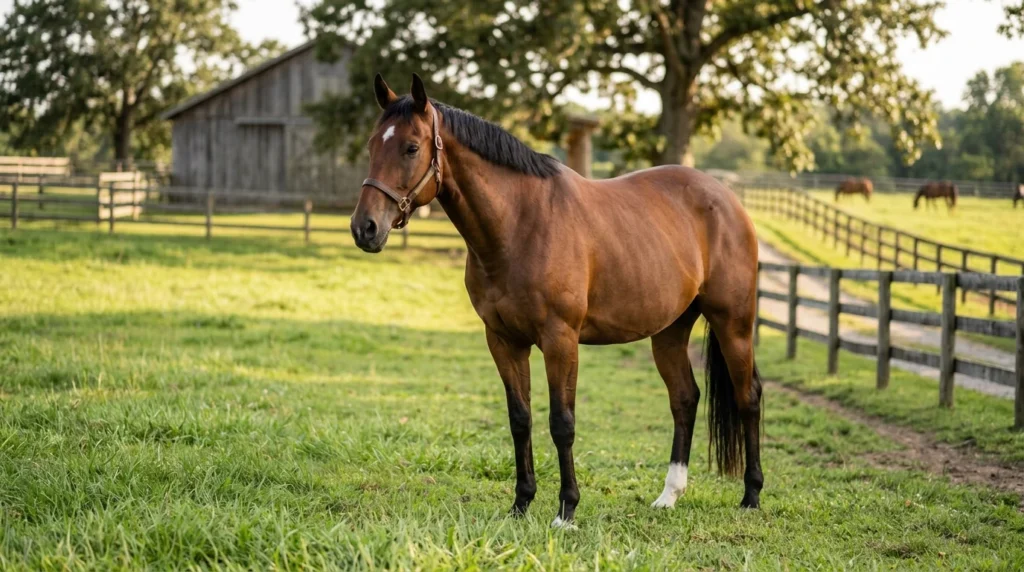
A mare is an adult female horse. In general horse terminology, a female horse is typically called a filly when young and a mare once mature.
The term mare is widely used in horse breeding, racing, riding, veterinary care, and everyday equestrian conversations.
Meaning and Usage
A mare can be any adult female horse regardless of breed, size, color, or discipline.
For example:
- “The mare is standing in the paddock.”
- “She bought a young mare for riding.”
- “The mare performed well during the competition.”
- “That mare has excellent movement.”
A mare can also have foals. A female horse that has given birth is still called a mare.
Mare and Age
The term mare generally describes an adult female horse. A young female horse is commonly called a filly.
A simple guide is:
- Filly: young female horse
- Mare: adult female horse
Exact age conventions can vary somewhat by context and discipline, but this distinction is widely understood.
Breeding
Mares are capable of becoming pregnant and producing foals. Because of this, the term mare is particularly important in breeding contexts.
For example:
“The breeder selected the mare for her bloodline and temperament.”
However, being a mare does not mean the horse has necessarily been bred or had a foal.
What Is a “Gelding”?
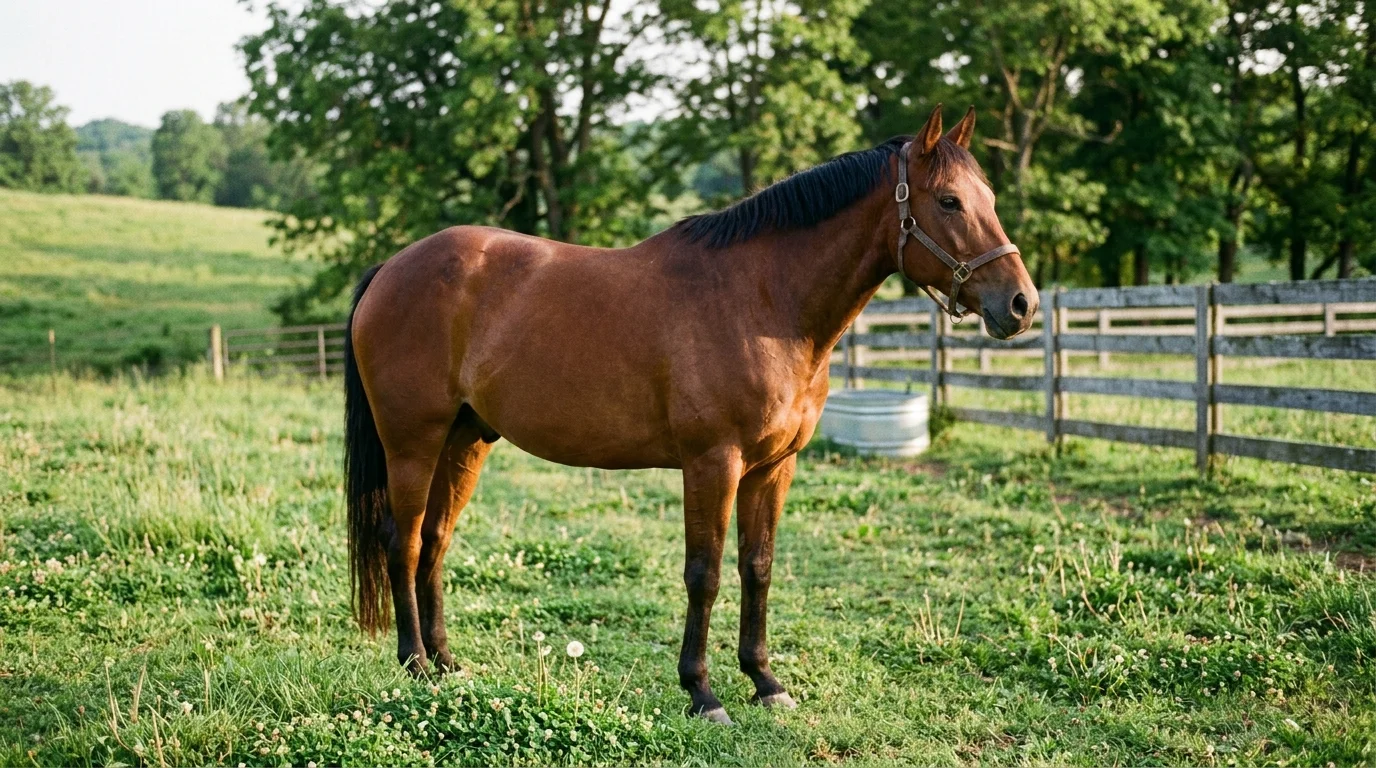
A gelding is a male horse that has been castrated. In other words, a gelding is a male horse whose testicles have been surgically removed.
The term is commonly used in riding, competition, horse ownership, and stable management.
Meaning and Usage
Geldings are often used as riding horses across many equestrian disciplines.
Examples include:
- “The gelding is calm under saddle.”
- “She owns a 10-year-old gelding.”
- “The gelding competed successfully.”
- “He chose a gelding for trail riding.”
The word gelding describes the horse’s reproductive status, not its breed, color, size, or training level.
Why Are Male Horses Gelded?
Horse owners and breeders may choose castration for various management and breeding reasons. A gelding generally cannot reproduce, and castration can affect hormone-driven behaviors.
However, every horse is an individual. Temperament, training, handling, genetics, health, and environment all influence behavior, so it is inaccurate to assume that every gelding will behave in exactly the same way.
Gelding and Age
A young male horse is commonly called a colt. After castration, he is a gelding.
A simple terminology guide is:
- Colt: young male horse
- Stallion: adult intact male horse
- Gelding: castrated male horse
Mare or Gelding: Key Differences
The biggest difference between mare or gelding is that the terms describe two different categories.
- A mare is an adult female horse.
- A gelding is a castrated male horse.
- A mare can potentially reproduce.
- A gelding cannot reproduce.
- Mare describes sex and maturity.
- Gelding describes sex and reproductive status.
- Both can be excellent riding horses.
- Neither term tells you a horse’s breed, size, color, or skill level.
Comparison Table
| Feature | Mare | Gelding |
|---|---|---|
| Sex | Female | Male |
| Reproductive status | Female reproductive anatomy | Castrated |
| Can naturally reproduce? | Yes, if fertile | No |
| Young equivalent | Filly | Colt |
| Intact male equivalent | — | Stallion |
| Common use | Riding, breeding, competition | Riding, competition, work |
| Breed | Any | Any |
| Temperament | Varies by individual | Varies by individual |
| Training potential | Depends on the horse | Depends on the horse |
Real-Life Conversation Examples
Dialogue 1: At a Stable
Emma: “Is that horse a mare?”
Jack: “No, he’s a gelding.”
🎯 Lesson: A mare is female, while a gelding is a castrated male.
Dialogue 2: Buying a Horse
Buyer: “Is the horse a mare or a gelding?”
Seller: “He’s a 9-year-old gelding.”
🎯 Lesson: Horse listings often use these terms to identify sex and reproductive status.
Dialogue 3: Talking About Riding
Rider: “Do you prefer mares or geldings?”
Trainer: “It depends on the individual horse, not just the category.”
🎯 Lesson: Neither mares nor geldings are automatically better riding horses.
Dialogue 4: Breeding
Breeder: “This mare is part of our breeding program.”
Visitor: “So she can have foals?”
Breeder: “Yes, assuming she is fertile and otherwise suitable for breeding.”
🎯 Lesson: Mares can potentially reproduce, while geldings cannot.
When to Use Mare or Gelding
Use mare when you’re talking about an adult female horse.
For example:
“The mare is being trained for dressage.”
Use gelding when you’re talking about a castrated male horse.
For example:
“The gelding is an experienced trail horse.”
If you don’t know the horse’s sex or reproductive status, you can simply say horse. There is no need to guess.
Mare vs Gelding for Riding
One common question is whether a mare or gelding is better for riding.
There is no universal winner.
Both mares and geldings can be:
- Excellent riding horses
- Competitive athletes
- Calm companions
- Successful lesson horses
- Trail horses
- Skilled performance horses
The individual horse’s training, personality, health, age, experience, and suitability for the rider are usually much more important than simply whether the horse is a mare or gelding.
What About Temperament?
You may hear general claims that mares are more difficult or that geldings are always calmer. These are oversimplifications.
Individual horses have different personalities. A well-trained mare can be exceptionally steady, while a particular gelding may be energetic or sensitive.
It is better to evaluate the actual horse rather than rely on stereotypes.
Mare or Gelding for Beginners
For a beginner rider, the horse’s training and temperament generally matter more than sex.
An experienced, well-trained horse with a suitable temperament may be a better choice than an inexperienced horse, regardless of whether it is a mare or gelding.
A qualified instructor or experienced horse professional can help match a horse to a rider’s experience and goals.
Common Mistakes to Avoid
Mistake 1: Calling Every Male Horse a Gelding
A male horse is not automatically a gelding.
An intact adult male is a stallion, while a castrated male is a gelding.
Mistake 2: Calling Every Female Horse a Mare
A young female horse is commonly called a filly.
Mistake 3: Assuming Geldings Are Always Calm
Castration can influence hormone-related behavior, but individual temperament varies greatly.
Mistake 4: Assuming Mares Are Difficult
This is an unfair stereotype. Mares can have a wide range of personalities, just like geldings.
Mistake 5: Thinking the Terms Describe Breed
They don’t.
A mare or gelding can belong to virtually any horse breed.
Fun Facts About Horse Terminology
1. “Gelding” Describes Reproductive Status
Unlike mare, which identifies an adult female horse, gelding specifically indicates that a male horse has been castrated.
2. Horse Vocabulary Changes With Sex and Age
Horse terminology has several specific terms:
- Foal: young horse of either sex
- Filly: young female
- Colt: young male
- Mare: adult female
- Stallion: adult intact male
- Gelding: castrated male
Learning these terms makes horse-related conversations much easier to understand.
Are Mares or Geldings Better?
Neither is automatically better.
If you’re choosing a horse, consider:
- Experience
- Training
- Age
- Health
- Temperament
- Size
- Riding discipline
- Rider experience
- Long-term goals
For breeding, a mare may be relevant because of her reproductive ability. For general riding, a gelding may be suitable, but so may a mare.
The best horse is the one that fits the rider and the intended activity, not simply the one with a particular sex.
Quick Answer: Mare or Gelding?
Here’s the simple answer:
Mare = adult female horse.
Gelding = castrated male horse.
They are not interchangeable terms.
If you see “10-year-old mare,” you’re looking at an adult female horse. If you see “10-year-old gelding,” you’re looking at a male horse that has been castrated.
Both can be excellent horses for riding, competition, companionship, or other equestrian activities.